
Total Financial Autonomy: Why Blockchain is Your Ultimate Off-Grid Power Source
The Sovereign Guide to Escaping the Digital Plantation and Securing Your Future on the Next Generation Monetary and Financial System
Listen closely. I’ve spent two decades living off the land and even longer ranking sites in the digital trenches. If you think “off-grid” just means solar power systems and a composting waste management setup, you’re only half-sovereign. The global powers, including the BIS (Bank for International Settlements), are already laying the tracks for a new global monetary system.
Their Annual Economic Report 2025 made it clear: the future of monetary system architecture is unified and digital. If you don’t own your keys, you don’t own your life. Learning what is blockchain technology and how does it work is now as vital as securing your own potable water source. This is the next generation of payments; you either master it or get managed by it.
What is Blockchain in Simple Words?
Think of a blockchain as a digital “homestead ledger” that everyone can see but no one can forge. In the old world, the bank holds the book; they can erase your balance or freeze your gate. In the new monetary system, the ledger is distributed. Every person on the network has a copy. What is a blockchain in crypto? It’s a chain of digital blocks containing transaction data.
Just like securing the perimeter of your off-grid land, once a block is added, it’s immutable. This blockchain example is like a community bulletin board where every entry is signed in permanent ink and verified by the whole village—no central “boss” required.
The Purpose of Blockchain Technology: Eliminating the Middleman
The true purpose of blockchain technology is to remove “trusted” third parties. When you live off-grid, you don’t want a middleman between you and your power generation. In finance, you don’t want a middleman between you and your labor. Whether it’s the banking system and money supply or private contracts, blockchain provides a next generation trust layer. It allows for peer-to-peer exchange without needing a regional bank to “allow” the transaction. This is the ultimate tool for sovereign living.
How it Works for Beginners: The Tech Behind the Freedom
If you’re looking for a blockchain technology PDF breakdown, here is the short version:
Transaction: You send a money transfer.
Verification: A network of computers solves complex puzzles.
The Block: Your transaction is grouped with others.
The Chain: The block is hashed and linked to the previous one. This process ensures the money supply cannot be arbitrarily inflated. Just as you store energy in deep-cycle batteries, blockchain stores value in a decentralized way. It is the only way to survive the new money generation era without losing your purchasing power to the “hidden tax” of inflation.
Which Popular Cryptocurrency Uses Blockchain Technology?
The most famous blockchain example is Bitcoin. It was the first to solve the “double-spend” problem. While Bitcoin is the digital gold of the next generation monetary and financial system, others like Ethereum allow for “smart contracts” that can manage your off-grid security protocols or land titles. Understanding what is the difference between financial system and financial market is key here: the system is the infrastructure, much like your utilities, and the market is the value that flows through it.
Survival in the New Global Monetary System
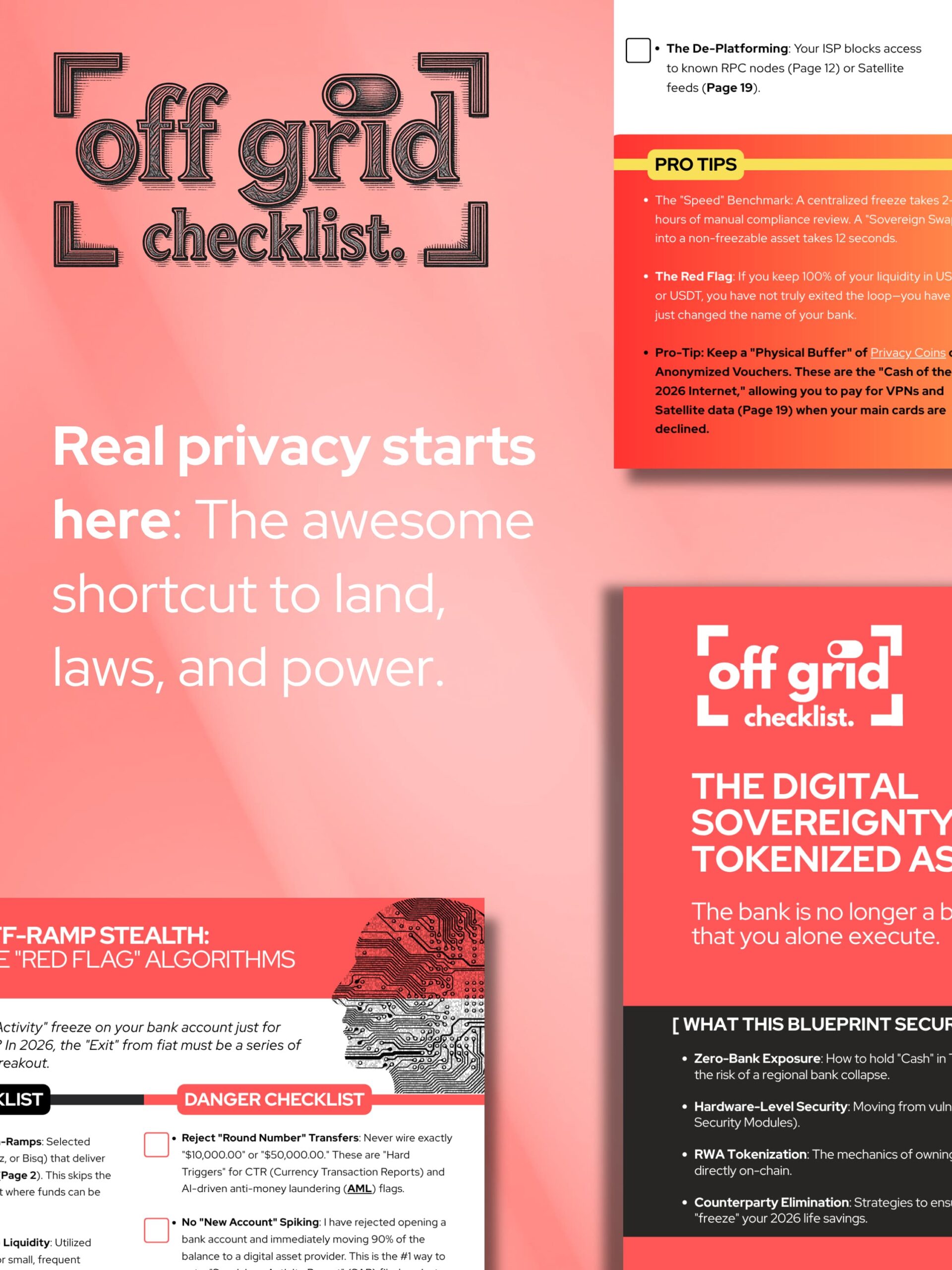
The BIS III framework and the BIS Annual Economic Report 2025 point toward a “Unified Ledger.” This is the next generation monetary and financial system where everything is tracked. By learning this tech now via our how-to articles, you learn how to use privacy tools and decentralized exchanges. You can’t opt-out of the future of monetary system shifts, but you can choose to operate on a permissionless crypto network rather than a permissioned CBDC. Secure your survival by mastering the code today.
Next Generation Monetary System FAQs
What is blockchain technology and how does it work for beginners?
In simple words, a blockchain is a shared digital ledger that records transactions across many computers so that the record cannot be altered retroactively. It works by grouping information into “blocks” that are cryptographically chained together. For an off-gridder, it functions like a sovereign title deed—once your data is on the chain, no bank or government can “delete” your ownership. It is the plumbing for the next generation of payments.
Which popular cryptocurrency uses blockchain technology and why?
Bitcoin is the most popular example, serving as the “digital gold” of the new global monetary system. While Bitcoin focuses on secure money storage, others like Ethereum use blockchain to execute “smart contracts.” These allow you to automate your utilities or land agreements without a lawyer. Understanding what is a blockchain in crypto is the first step toward total financial survival in a digital-first economy.
What is the purpose of blockchain technology in the "New Financial System"?
The primary purpose of blockchain technology is to eliminate “counterparty risk.” In the current banking system and money supply model, you are a creditor to the bank; they can freeze your assets at will. In the next generation monetary and financial system described in the BIS Annual Economic Report 2025, blockchain (or unified ledgers) allows you to hold crypto and tokenized assets directly. This ensures your privacy and wealth remain under your physical control, much like your solar array.
What is the difference between financial system and financial market?
The financial system is the underlying infrastructure—the wires, the rules, and the terms of service that allow money to move. The financial market is the actual place where people trade assets (like buying off-grid land or stocks). We are currently witnessing a shift where the future of monetary system architecture is moving from slow, centralized bank rails to instant, 24/7 blockchain rails.